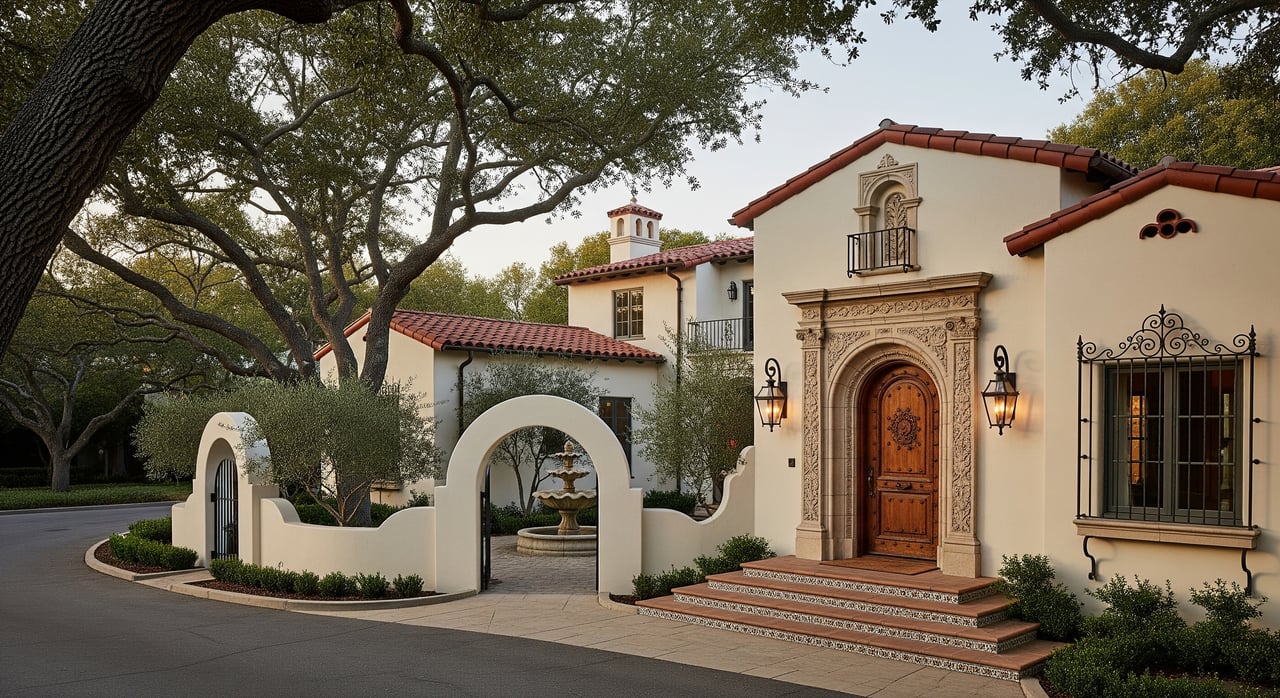
Do you love the warm stucco, curved archways, and red tile roofs you see around Alamo Heights? If you’re drawn to Spanish Revival homes, you’re not alone. Buyers here value the style’s authentic details and the indoor-outdoor lifestyle it creates, while sellers can benefit by showcasing the right features. In this visual guide, you’ll learn how to spot hallmark elements, what adds value, and how to photograph and market these homes with confidence. Let’s dive in.
What Spanish Revival means here
Spanish Revival, also called Spanish Colonial Revival or Spanish Eclectic, is a common historic style in Alamo Heights. You’ll recognize it by stucco walls, clay tile roofs, arches, courtyards, colorful tile, and wrought iron. The look draws from Mediterranean and Iberian traditions that suit South Texas light and climate.
Rooflines and clay tile
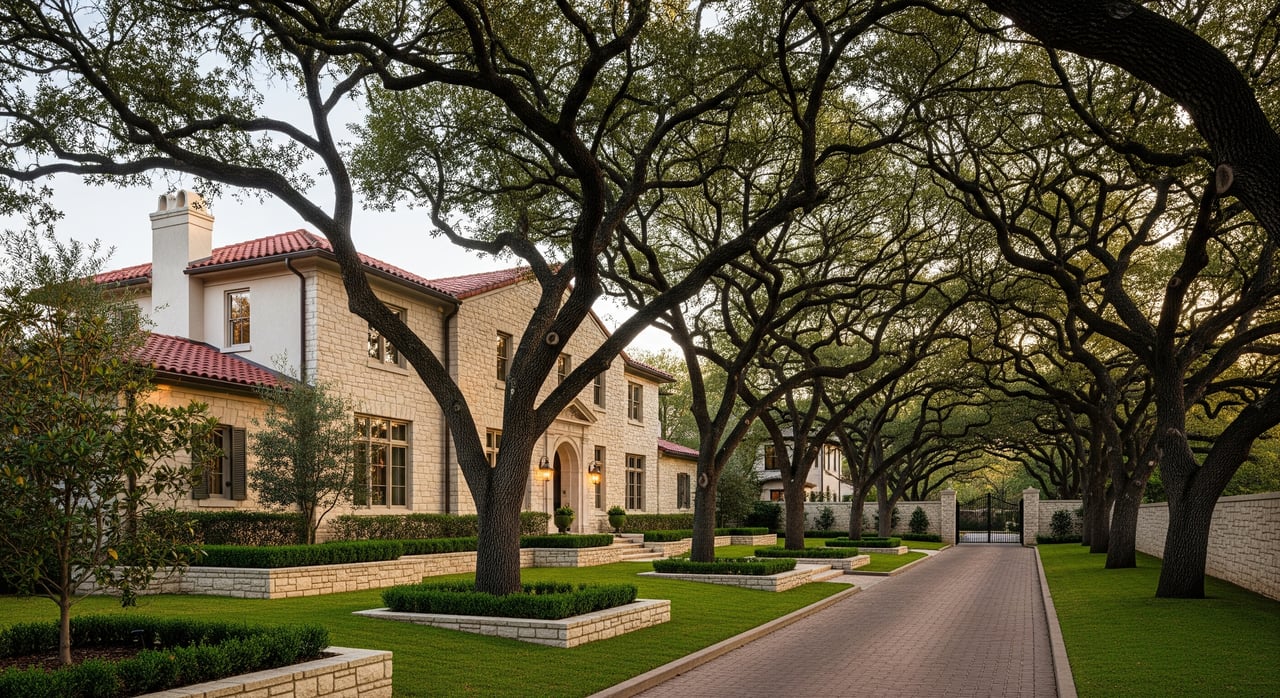
Look for low to moderately pitched roofs covered in red or terra-cotta clay tiles. Tiles are usually S-shaped or barrel forms that create strong rhythms at the eaves. You may also see bold chimneys, parapets, or a small tower element that punctuates the roofline.
Stucco walls and finish
Smooth or lightly textured stucco is the norm, often in white, cream, or warm earth tones. Some façades include simple buttresses or pilasters for depth. Stucco should read as a continuous skin with crisp openings and clean transitions at corners and trim.
Arches, doors, and porches
Arched openings are a signature. Entries are often recessed with a heavy carved wood door set into a deep reveal. Decorative tile at the threshold or steps adds color and pattern right where you pause to enter.
Windows and grilles
Casement windows, sometimes with divided lights, sit deep in the wall with substantial sills. Round or segmental arches may sit above windows or doors. Iron grilles and lanterns provide both security and character.
Ironwork, tile, and courtyards
Expect colorful glazed ceramic tile on stair risers, fountains, and entry surrounds. Wrought iron railings, window grilles, and light fixtures show hand-forged craftsmanship. Courtyards, loggias, and Mediterranean plantings like citrus, olive, and mature oaks support relaxed outdoor living.
Garages and outbuildings
Many homes use detached or side-positioned garages to keep the street view cohesive. Matching stucco and tile roofs on outbuildings maintain the architectural language across the property.
Interior details buyers love
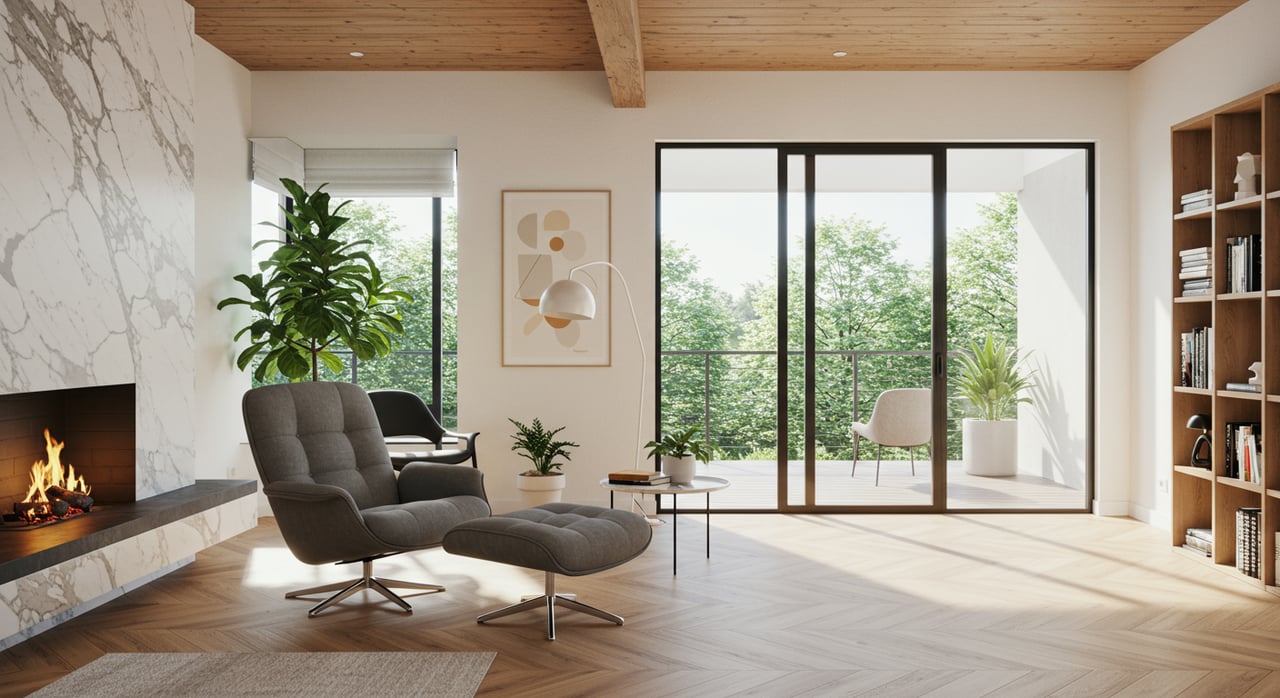
Spanish Revival interiors favor natural materials and warm textures. You’ll often find tile floors, beamed ceilings, thick plaster walls, and intimate rooms that open to patios and courtyards.
Floors and hearths
Saltillo tile, patterned ceramic tile, and hardwoods are common and valued for authenticity. Fireplaces often anchor living rooms with plaster or tile surrounds, sometimes in rounded or beehive forms. Original tile patterns become a focal point worth highlighting in marketing.
Ceilings and walls
Exposed wood beams and coved or plaster ceilings add dimension and warmth. Smooth plaster walls and arched niches provide a clean backdrop for art and furnishings. Built-in cabinetry or shelving is a plus when intact.
Doors, hardware, and fixtures
Heavy carved wood doors, decorative iron hardware, and original period light fixtures grab attention. These tactile details help buyers sense age, craftsmanship, and continuity throughout the home.
Floor plan and indoor-outdoor flow
Expect less rigid, more intimate room sequences compared to modern open plans. French doors and arched passages often connect living spaces to patios and courtyards, which is a major lifestyle draw in Alamo Heights.
Why this style fits South Texas
Spanish Revival homes are well suited for local weather and light. Stucco over masonry, tile floors, and clay roof tiles provide thermal mass that helps moderate indoor temperatures. Courtyards, shaded porches, and aligned openings encourage cross‑ventilation. Clay tile roofs perform well in intense sun, though proper underlayment and flashing are essential during heavy rains, and many clay tile systems can last 50 years or more with correct installation and maintenance.
Value signals for buyers and sellers
In Alamo Heights, architectural authenticity paired with modern comfort drives demand. The goal is to preserve character while offering functional updates.
What increases desirability
- Intact original features such as clay tile roofs, decorative tile, carved doors, wrought iron, original plaster, and Saltillo tile.
- Courtyards, loggias, and mature landscaping that enhance privacy and outdoor living.
- Sympathetic system upgrades that respect the look of the home, including electrical, plumbing, HVAC, insulation, and discreet kitchen or bath improvements.
- Location benefits within Uptown Alamo Heights, including walkability, nearby parks, shops, and proximity to local schools.
What can detract from value
- Incompatible alterations such as vinyl windows that change sightlines, asphalt shingle roofs, or synthetic siding that erases character.
- Deferred maintenance like cracked stucco with water intrusion, broken tiles, failed underlayment or flashing, and unresolved termite history.
- Major work without clear documentation, including missing permits or unclear renovation records.
Maintenance and inspection cheat sheet
Use these quick checks on tours and during prep for listing or purchase.
- Roof: Confirm the age and condition of clay tiles, underlayment, and flashings, plus any re-roofing records.
- Stucco: Differentiate hairline from structural cracks and look for signs of moisture intrusion or patchwork.
- Drainage: Check grading, gutters, and downspouts; look for irrigation overspray on stucco.
- Windows and doors: Test casements for smooth operation, review wood frames for condition, and note any storm window solutions.
- Mechanicals: Review HVAC age and capacity, and the placement of condensers to keep street views and courtyards visually clean.
- Pest history: Ask for termite treatment and remediation documentation.
- Permits and approvals: Gather records for additions, roof replacement, major upgrades, and any relevant design review.
Photography guide for listings
Strong visuals help buyers recognize value quickly. Plan a mix of wide and detail shots to tell a complete story.
- Hero exterior: A street-level shot that captures roofline, entry arch, and massing. Early morning or late afternoon light highlights texture and shadow.
- Entry close‑up: Focus on the carved door, tile surround, and hardware for an immediate sense of craftsmanship.
- Roofline detail: Show tile pattern, eaves, and chimney silhouette. Include a close look at tile condition if relevant.
- Courtyard or loggia: Photograph the layout, fountain or hardscape, and connections back to interior rooms.
- Decorative tile: Macro shots of stair risers and entry thresholds to capture color and pattern.
- Wrought iron: Railings, grilles, lanterns, and handles read beautifully in raking light.
- Interior highlights: Beamed ceilings, fireplace surrounds, Saltillo or patterned tile floors, and built-ins.
- Transitional frames: Show how living rooms and kitchens open to patios for indoor‑outdoor flow.
- Context shot: Include the home within its block to convey lot, setback, and streetscape fit.
Tip: Avoid extreme wide angles that distort façades. Capture both beauty and condition so buyers have confidence in what they see.
Marketing cues you can use
Well-chosen words in captions and copy help buyers understand what makes a home special. Only make claims you can document.
- Historic features: “Original hand‑painted tile risers” or “Restored carved mahogany entry door.”
- Documented upgrades: “Clay tile roof with renewed underlayment in 2017” or “New HVAC with concealed ductwork.”
- Provenance: Note architect attribution, original plans, or craftspeople where known.
- Outdoor living: Mention private courtyards, fountains, and mature canopy trees.
Style distinctions to know
Using precise language helps buyers and appraisers understand the home.
- Spanish Revival or Spanish Colonial Revival: The classic mix of arches, stucco, tile roofs, and ironwork, often with Mediterranean influences.
- Mission Revival: Simpler forms with smooth stucco and shaped parapets, with fewer ornate details.
- Mediterranean Revival: Similar materials, but broader European influences and more classical ornament.
Local checks before you renovate or list
Older homes may be subject to design review for exterior work. Before you promise or plan changes, do a quick compliance sweep.
- Confirm if your property falls under any local historic or design review process with the City of Alamo Heights.
- Review municipal permit history for previous renovations or additions.
- Pull ownership and property records through the Bexar County Appraisal District.
- For buyers, consider inspections by professionals familiar with period architecture and appraisers experienced with historic features.
Quick glossary
- Stucco: Exterior plaster finish applied over masonry or wood lath.
- Barrel or clay tile: Curved terra-cotta roofing tiles in red or warm earth tones.
- Saltillo tile: Handmade clay floor tile from Mexico with warm, earthy colors.
- Loggia: Covered exterior corridor, often open to a courtyard.
- Courtyard: Semi‑enclosed outdoor space central to planning in this style.
- Arched opening: A door or window with a curved top.
- Wrought iron: Forged ironwork used for grilles, railings, and hardware.
- Beamed ceiling: Visible structural or decorative wood beams.
Ready to explore Spanish Revival homes or position yours to shine in Alamo Heights? Our team pairs neighborhood expertise with high-end visual marketing so you can move forward with confidence. Book an Appointment with Ignite International Group to start a tailored plan.
FAQs
What defines a Spanish Revival home in Alamo Heights?
- You’ll see stucco walls, red clay tile roofs, arched openings, wrought iron details, colorful tile accents, and courtyards that connect indoor and outdoor living.
Which features add the most value for sellers?
- Authentic materials such as clay tile roofs, original plaster, Saltillo tile floors, carved doors, and ironwork, paired with discreet system upgrades that preserve character.
What maintenance issues should buyers check first?
- Review clay tile roof condition and underlayment, stucco cracks and moisture signs, drainage, window and door operability, HVAC age and capacity, and termite history.
Are there special rules for exterior changes in Alamo Heights?
- Many older properties fall under local design review for exterior work, so you should confirm requirements with the City of Alamo Heights before planning renovations.
How should I photograph my Spanish Revival listing?
- Capture a hero exterior, entry close‑ups, roofline details, courtyard spaces, decorative tile, ironwork, and indoor‑outdoor transitions, using natural light to reveal texture.