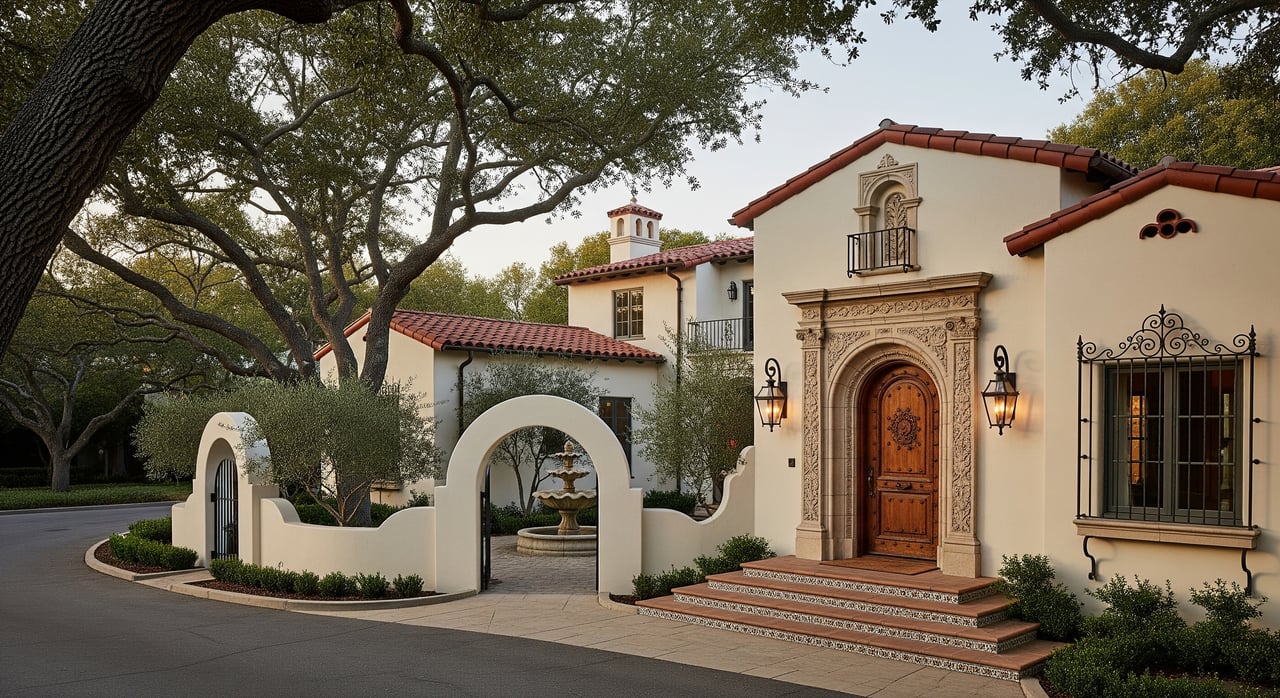
If you own or plan to buy in Olmos Park, you want clarity on what drives your property tax bill. Between appraisals, exemptions, and shifting rates, it can feel like a moving target. You are not alone. With a little local know-how, you can understand what you owe, what you can reduce, and when to act. In this guide, you will learn how Bexar County values Uptown and Olmos Park homes, which exemptions can lower your bill, the key dates to watch, and where to find official answers. Let’s dive in.
How Bexar County appraises Olmos Park homes
Your annual tax bill starts with the county’s opinion of value. The Bexar County Appraisal District, or BCAD, estimates a property’s appraised value every year. Your taxable value is the appraised value minus any exemptions you qualify for. Taxing units then apply their adopted tax rates to that taxable value to calculate your bill. You can search your parcel and review its history using the BCAD tools on the Bexar County Appraisal District website.
BCAD uses recent nearby sales, market trends, property characteristics such as square footage and lot size, and building permits to set value. For Olmos Park, block-by-block details matter. Many homes are historic or have unique upgrades, and lots can be larger than surrounding areas. When you review your value, focus on truly comparable homes in your immediate neighborhood.
Notice of Appraised Value and your options
BCAD mails a Notice of Appraised Value when they change your value. That notice starts your right to review and protest. If you think the number is off, you can start with an informal discussion with a BCAD appraiser. If needed, you can file a formal protest with the Appraisal Review Board. The Texas Comptroller explains protest rights, evidence, and deadlines on its Property Tax resources page.
How to build a strong protest
If you protest, come prepared. Useful evidence includes:
- Recent comparable sales in Olmos Park that closely match size, condition, and lot
- An independent appraisal, if you have one
- Photos showing condition or deferred maintenance
- Documentation for improvements or permits
Be concise, stick to facts, and keep your comps neighborhood specific. Olmos Park’s character properties often require more careful comparison than citywide averages.
Homestead and other exemptions
Exemptions reduce your taxable value before rates are applied. BCAD manages most applications and maintains the latest forms and instructions on the BCAD site. Common residential exemptions include:
- General residence homestead for your primary residence
- Over 65 and disability exemptions that can add extra savings. For eligible owners, school taxes are subject to a tax ceiling, often called a freeze, which limits increases in the school portion
- Disabled veteran exemptions, with amounts tied to disability rating
- Local or optional exemptions offered by certain taxing units
The Texas Comptroller provides statewide guidance on how exemptions work, who qualifies, and how they are applied. Review details and timelines on the Comptroller’s property tax pages.
How to apply through BCAD
You apply for most exemptions with BCAD. In general, you will need:
- Proof of ownership, such as a deed or closing statement
- Proof of occupancy for a homestead, such as a Texas driver’s license with the property address
- Last four digits of your Social Security number for certain exemptions
Apply as soon as the home becomes your primary residence. If you recently purchased, put this at the top of your to do list so you do not miss out on savings for the coming tax year.
Timing and retroactivity
Some exemptions can be applied retroactively if you missed a previous filing period, and others cannot. Because rules and forms can change, confirm current procedures and any backdating options directly with BCAD.
Tax timelines you should know
Texas property taxes follow a yearly cycle. Specific dates can vary, so always confirm current year timing with BCAD and the Bexar County Tax Office.
- Early spring, often March or April. BCAD issues appraisal notices. This is your signal to review and decide if you will protest.
- Protest window. Under Texas rules, you generally must file a protest within 30 days after your notice is delivered or by May 15, whichever is later. The Texas Comptroller outlines this timeline and how protests work.
- Fall budget season. Each taxing unit, the City of Olmos Park, Bexar County, the school district, and others, holds budget hearings and adopts tax rates.
- Late year billing. The Bexar County Tax Office mails tax statements.
- Payment deadline. For most taxing units, taxes are due by January 31 of the following year. Penalties and interest typically begin after that date. The Bexar County site explains payment options and due dates. Visit Bexar County’s website and follow the links to the Tax Office for details.
If a protest or exemption changes your taxable value after a bill is issued, the tax office will send a corrected bill or issue a refund. If a protest is denied, the original bill remains due.
How rates and bills are calculated in Olmos Park
Your final bill combines the rates of each taxing unit that covers your parcel. For Olmos Park, the typical components include:
- City of Olmos Park
- Bexar County
- The local school district, commonly San Antonio ISD for parts of Olmos Park
- Alamo Colleges District
- Any special districts that apply to your address
Each taxing entity adopts its own rate per 100 dollars of taxable value. The structure is straightforward:
- Taxable value equals appraised value minus exemptions
- Total tax equals taxable value times the sum of all adopted rates
To see the taxing units for your specific property, review your parcel page on BCAD. For the city’s portion, you can also find budget and tax information on the City of Olmos Park website. For information about school district rates and programs, visit San Antonio ISD’s website and check the district’s tax pages.
Quick checklist for Olmos Park buyers and owners
Use this short list to stay ahead of deadlines and reduce your bill where possible.
- Look up your parcel. Confirm your BCAD account number and review current and historical appraised values on BCAD.
- File your homestead. If this is your primary residence, apply for the residence homestead exemption with BCAD right away.
- Prepare for protest season. If you disagree with your Notice of Appraised Value, gather neighborhood comps, photos, and any appraisal, then contact BCAD for an informal review. If needed, file a protest before the deadline listed on your notice.
- Confirm your taxing units. Check which school district and any special districts apply on your BCAD parcel page. School taxes are often the largest portion for many owners.
- Check your escrow. If you have a mortgage, confirm whether your lender is escrowing taxes and how they budget for payments.
Common pitfalls to avoid
- Missing your protest deadline. If you miss it, you generally cannot challenge that year’s value.
- Waiting to file exemptions. Some relief may be limited if you delay, especially for homestead and senior exemptions.
- Using broad market comps. In ARB hearings, Olmos Park specific comps carry more weight than citywide averages, especially for historic or highly improved homes.
When to get professional help
Consider a property tax attorney or consultant if your home is high value, unusually configured, or has complex issues such as multiple parcels or special improvements. BCAD can answer procedural questions and explain how your home was valued. For overall planning, especially if you expect large increases or qualify for specialized exemptions, a tax professional can help you navigate options.
Buying or selling in Olmos Park often raises timely questions about appraisals, exemptions, and budgets. If you want a local perspective on how property taxes may shape your next move, connect with the team at Ignite International Group. We help you understand the big picture, coordinate next steps, and keep your transaction on track. Book an Appointment and let’s get started.
FAQs
How do I look up my Olmos Park home’s value and history?
- Use the parcel search on the Bexar County Appraisal District site to see appraised values, improvements, and the appraisal history for your property.
What is the deadline to protest my Bexar County appraisal?
- Under Texas rules, you generally must protest within 30 days of receiving your notice or by May 15, whichever is later. See the Texas Comptroller’s property tax guidance for details.
Where do I pay my Bexar County property taxes?
- The Bexar County Tax Office collects payments. Go to Bexar County’s website and navigate to the Tax Office for payment options, due dates, and online tools.
Which exemptions can lower my Olmos Park property taxes?
- Common options include the residence homestead, over 65, disability, and disabled veteran exemptions. Forms and instructions are on the BCAD website, and statewide rules are outlined by the Texas Comptroller.
Do historic homes in Olmos Park change how taxes are calculated?
- Historic designation can influence value and the market, which may affect appraisal. Review your valuation with BCAD and check city resources on the City of Olmos Park site for preservation contacts.
What makes up my Olmos Park tax rate?
- Your bill combines rates from multiple units, typically the City of Olmos Park, Bexar County, the local school district, Alamo Colleges, and any special districts. Your BCAD parcel page lists the taxing units for your address.